
menu
About
Research
Student
Member
Links
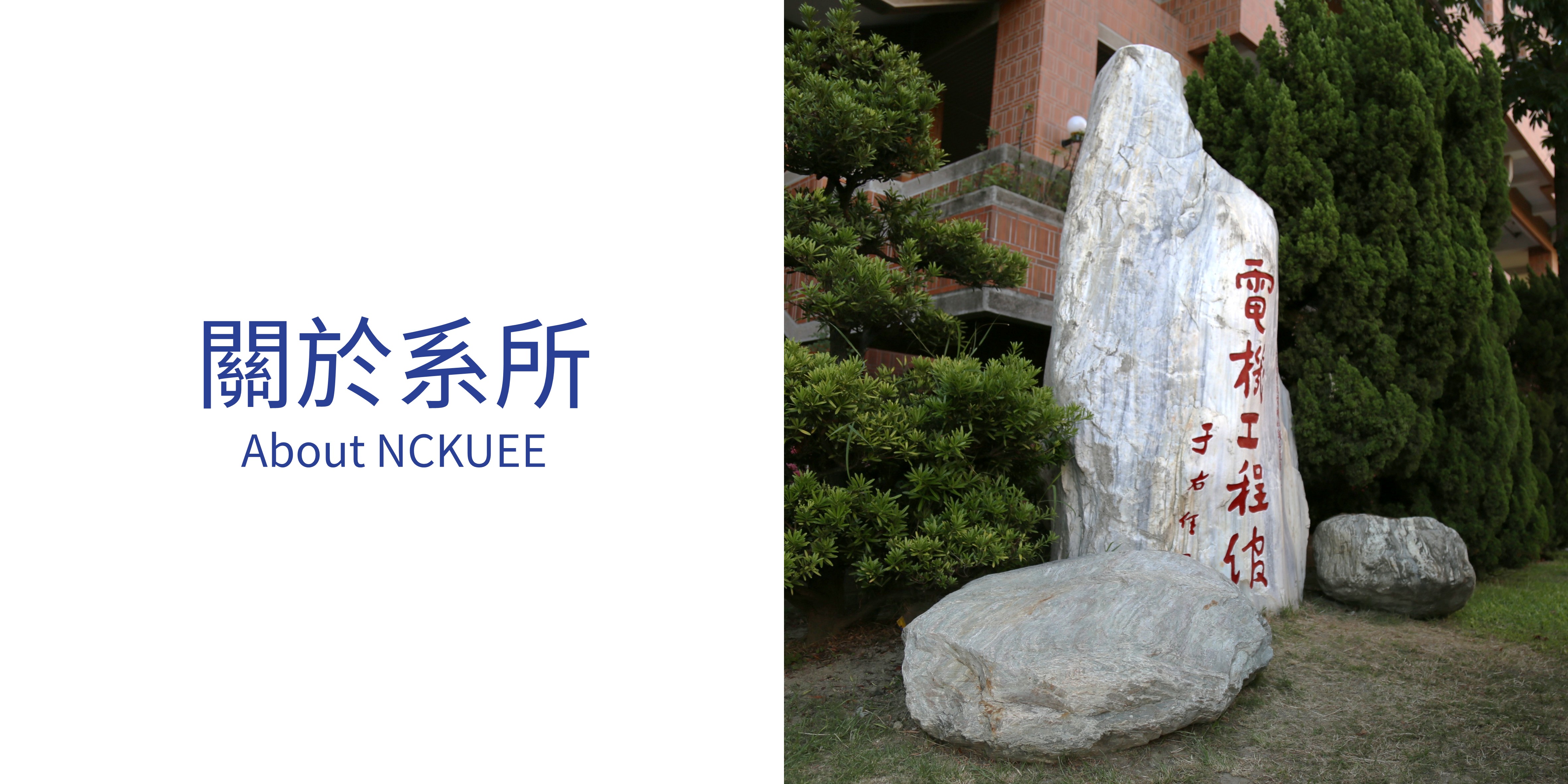
NCKU EE Brief History
The Electrical Engineering department was founded in 1931 under the name of Tainan Technical College Electrical Division. After several minor organizational changes, the department was finally renamed as the Department of Electrical Engineering of National Cheng Kung University, Taiwan, in 1956. The teaching curriculum was originally limited to undergraduate courses. However, in later years, the curriculum was expanded to include Master and Ph.D. programs, together with continuing-education classes for individuals in full-time employment. The department now comprises two institutes—the Microelectronics Institute and the Computer and Communication Engineering Institute—and is home to around 90 faculty and staff and more than 1,700 full- and part-time students.
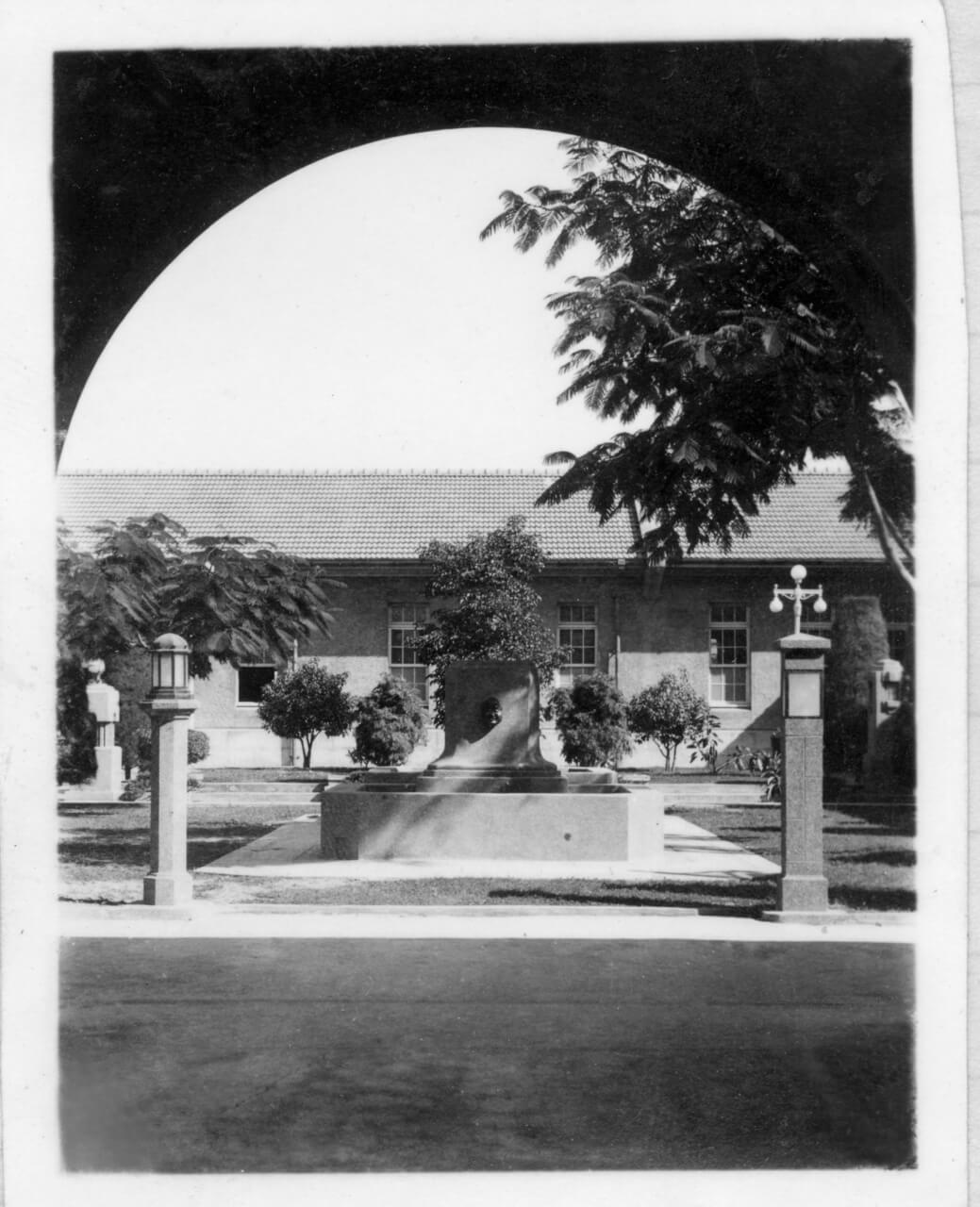
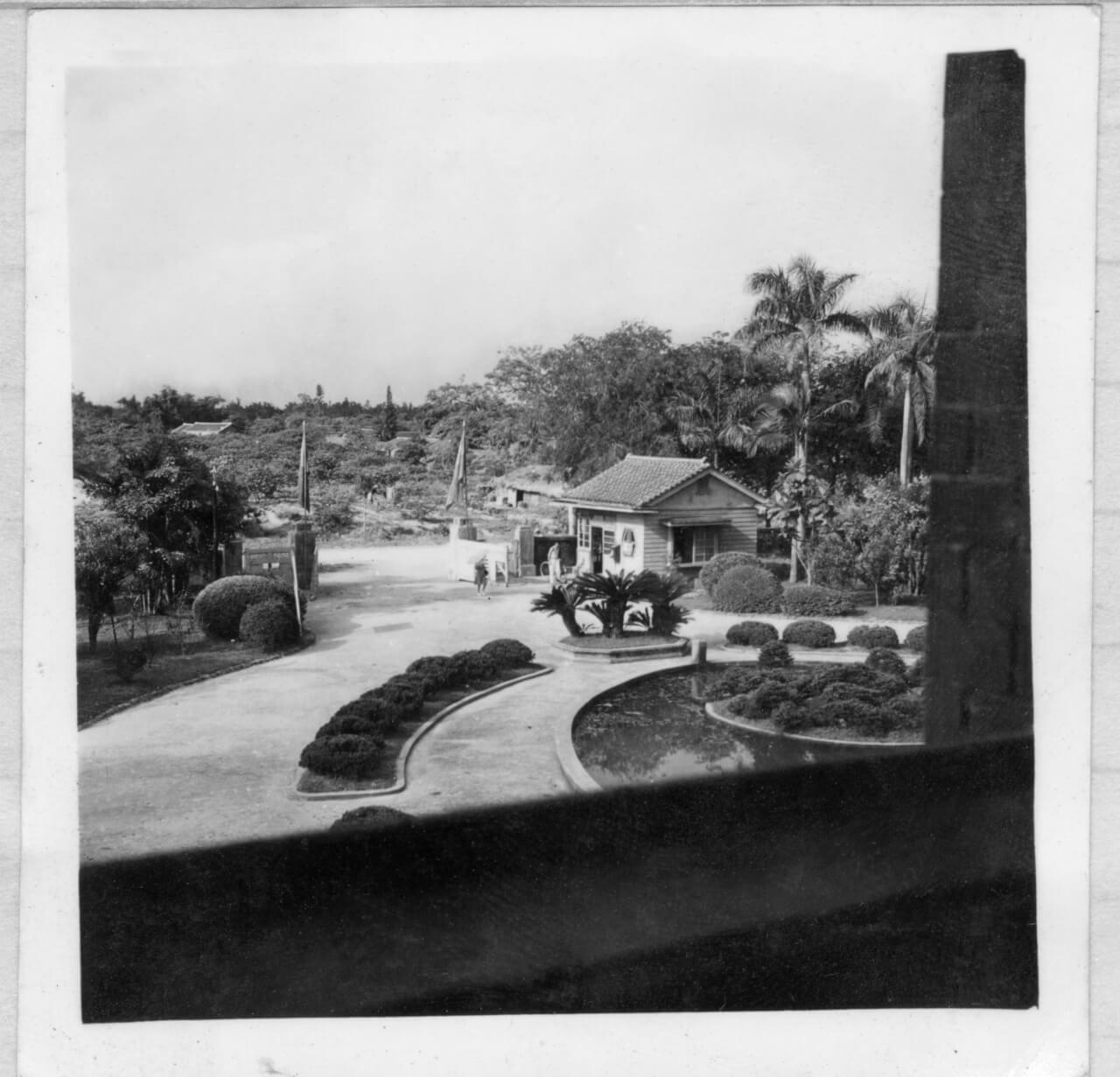
The department was originally housed in a low-rise building typical of the architecture of the time on the Kuang-Fu campus adjacent to the Tainan train station. However, as the teaching and research activities of the department expanded, the original premises became too small. Hence, building work began on a new home for the department on Tzu-Chiang Campus. The building was officially opened in 1998. Consisting of twelve floors above ground and two floors underground, the building has a total floor space of around 26,800 square meters; making it one of the largest electrical engineering academic facilities in Taiwan.
Following the completion of the new departmental building, the department continued to expand its scale with the generous support of its alumni. The Second EE Building (Chi-Mei Building), donated by Chi-Mei Optoelectronics, provides approximately 15,000 square meters of floor space and was officially inaugurated in 2006. During this period, the department concurrently facilitated the establishment of branches for the National Chip Implementation Center (CIC) and the National Nano Device Laboratories (NDL) on site, marking a significant milestone in its development. Furthermore, the Third EE Building (Chi-Tuan Building), donated by Himax Technologies, was completed and opened in 2022.
The field of electrical engineering is remarkably broad and serves as a vital pillar supporting the high-tech industry. In response to the booming electrical and information technology sectors, the department consistently adapts and rises to new challenges. Research within the department is currently organized into eight specialized areas: Microelectronics, Electronic Materials, Control, Power, VLSI/CAD, Instrument Systems and Chips, Computer Engineering, and Communications and Networks. The curriculum is designed to be flexible, diverse, and integrated, allowing students to select elective courses and research topics that align with their personal interests.
With over 90 years of history, the department has established an illustrious legacy of excellence. Its teaching and laboratory facilities are extensive, and a steadfast emphasis on "practicality and hands-on experience" remains the hallmark of NCKU EE's training. To date, the department has produced more than 10,000 graduates who have achieved outstanding success in both industry and academia worldwide, earning widespread acclaim. Looking ahead, in coordination with the development of the Southern Taiwan Science Park, NCKU EE is poised to play a pivotal role in industrial and technological advancement. In step with global trends, the department is rapidly evolving into a world-class institution of higher learning.
There are about seventy-six professors and fifteen staffs in NCKUEE department(including IME, ICE department).
There are large lecture halls for lectures and classes, and various public laboratories for students and faculty to conduct experiments.
Moreover, OPEN LAB and EE study room are available exclusively to NCKUEE students.